Fun Run Incentives That Actually Work
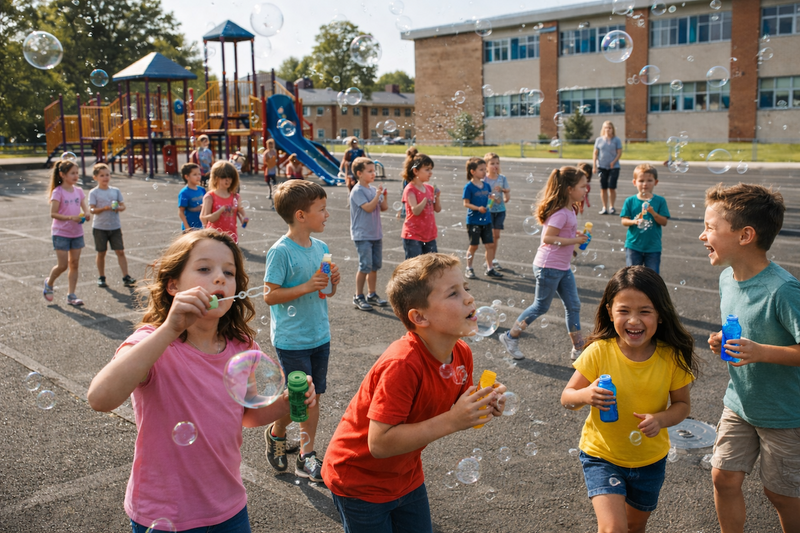
The strongest incentive stack is school-wide goal rewards, classroom threshold rewards, and small counting-day rewards. Avoid large individual prizes tied to who has the largest family check.
Start here
The best incentives are shared experiences.
When students feel like the whole school is working toward something together, participation goes up and the fundraiser feels positive instead of competitive.
A simple incentive stack works well:
- School-wide reward when the overall goal is reached
- Classroom rewards when thresholds are hit
- Small counting-day rewards during the fundraiser
This structure keeps energy high without turning the fundraiser into a competition based on family income.
What kids actually respond to
Adults often assume incentives need to be big or expensive.
That’s often not the case.
One year our parent group paid for a mobile obstacle course to come to the school after a successful fundraiser. It was fun. Kids liked it.
But the nearby elementary school celebrated their fundraiser differently. They had what they called Bubble Recess.
Every student received a bottle of bubbles and the entire school ran around the playground blowing bubbles together.
The kids went wild.
Which group do you think had more fun? The kids standing in line for the obstacle course or the hundreds of kids running around blowing bubbles with their friends?
The incentive stack that works
Use three layers of incentives.
1. School-wide reward
Unlocked when the fundraising goal is reached.
Examples:
- Super Bingo (school-wide bingo where everyone leaves with at least 1 prize)
- Pizza party outside
- Sno cones for the whole school (Kona Ice or similar )
- Bubble recess
- School dance party
- Foam party
These work because every student shares the reward and a shared experience.
2. Classroom thresholds
Classroom rewards create friendly competition without singling out individual students. You can take some of the ideas from the previous tier and scale them down to the classroom level.
Examples:
- Popsicle party
- Pizza party
- Extra art time
- Classroom game day
You can trigger these rewards based on:
- Total dollars raised
- Participation percentage
- Hitting certain checkpoints
The goal is to give teachers a way to celebrate progress during the fundraiser.
3. Counting-day rewards
Counting days keep momentum going during the fundraiser.
At our school we encourage families to send in physical donations (cash or checks) on those days.
Any student who brings in a donation gets a small reward.
Examples:
- Sticker
- Pencil
- Lollipop
- Bouncy ball
These rewards are small, but they shorten the feedback loop for students and keep the fundraiser visible week after week.
Tie these into the schedule in School Fun Run Timeline (2-3 Week Fundraiser).
Why to avoid large individual prizes
Some fundraisers give a major prize to the student who raises the most money.
That prize often goes to the student whose parents can write the largest check.
That approach can hurt morale and shift the tone of the fundraiser away from community.
A better approach is to reward participation and shared wins.
Focus on:
- school-wide rewards
- classroom achievements
- fun group celebrations
Build incentives into operations
Incentives work best when they are integrated into the structure of the fundraiser.
Make sure your incentives connect with the rest of your planning:
-
Counting days should appear in your School Fun Run Timeline
-
Progress updates should be visible through How to Track Fun Run Donations
-
The celebration tone should carry through to How to Run the Fun Run Event Day
Consistency matters.
Students notice when the whole system works together.
Then continue to How to Run the Fun Run Event Day.